
Boston Scientific Cyber Incident Disrupts Global Operations and Shipments
Boston Scientific detected a cyber incident on August 25 that disrupted parts of its IT environment and global operations, including order processing and shipments. Healthcare and distribution teams should reconcile official updates, order references, and delivery dates through trusted channels.

Incident overview
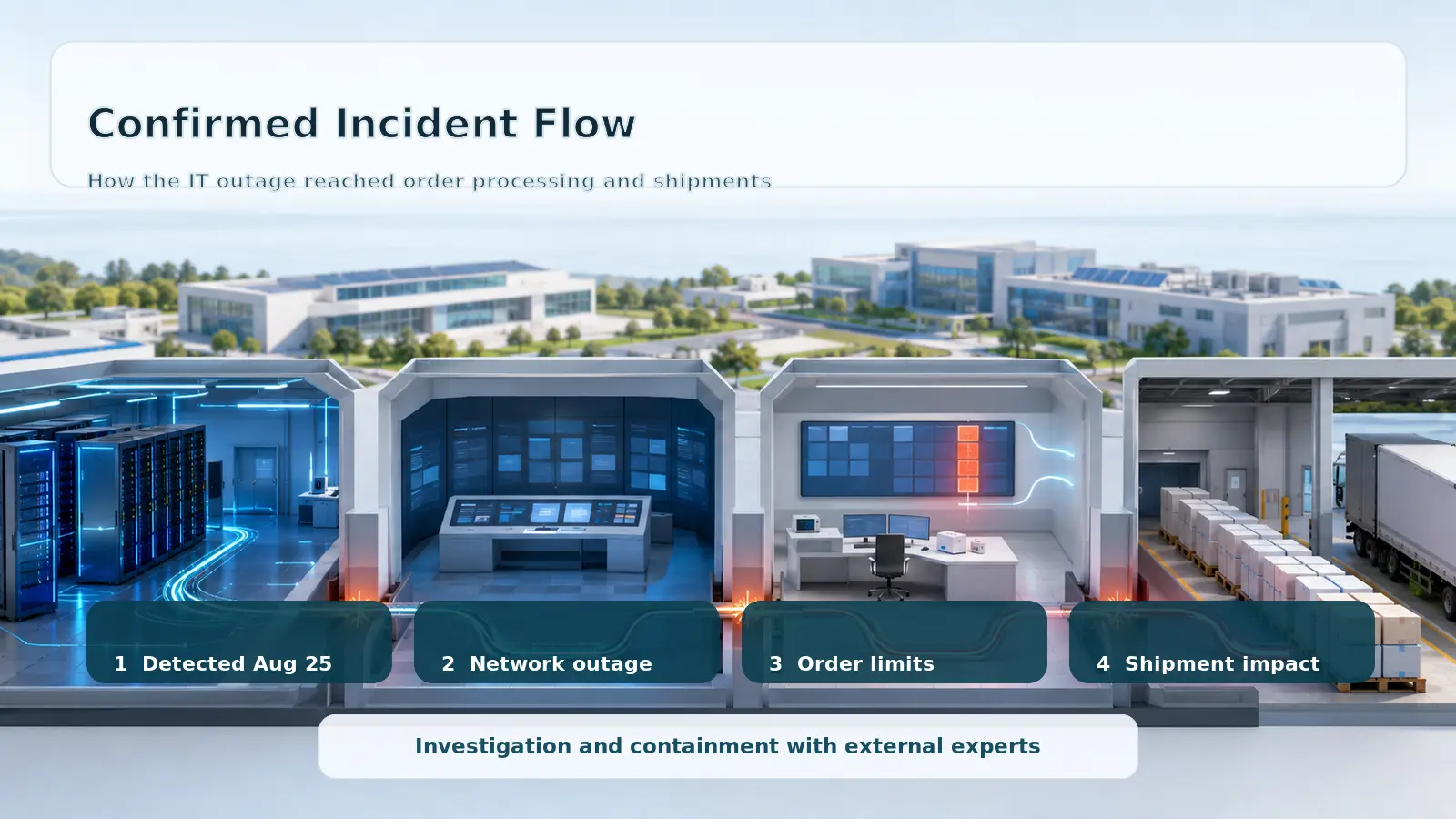
Boston Scientific identified a cyber incident affecting parts of its information-technology environment on August 25, 2026. The company activated its incident-response process and engaged third-party cybersecurity experts to investigate and contain the event. Its August 26 website update and Form 8-K said the incident caused a network outage and disrupted company operations, including access to certain operating systems and business applications.
The operational effect extended beyond internal access. Boston Scientific said its ability to process and ship customer orders was affected, and described the disruption as global. In a medical-device supply chain, order intake, inventory allocation, shipment approval, and carrier handoff are connected workflows. A loss of access in one layer can therefore delay the movement of products even when physical inventory remains available.
Detection and response
The public timeline is concise. Boston Scientific detected the incident on August 25 and began response activities. The Form 8-K was accepted by the U.S. Securities and Exchange Commission at 10:07 UTC on August 26, while Reuters reported the filing at 10:48 UTC. The company said outside specialists were supporting investigation and containment. Those facts establish a confirmed sequence from incident detection to a network outage and then to operational disruption.
The confirmed chain is best summarized as: cyber incident identified, network outage, reduced access to operating systems and business applications, and impact on order processing and shipments. Defenders should keep that evidence separate from speculation about a particular tool or intrusion method. The central lesson is operational dependency: digital systems supporting fulfillment became part of the incident impact.
Why order and shipment disruption matters
For healthcare providers, product availability and shipment capability are separate questions. Inventory may exist while order-management, customer records, shipment authorization, or carrier documentation remains inaccessible. The company specifically identified order processing and shipping as affected functions. Procurement teams should therefore reconcile each order reference, acceptance notice, quantity, and expected delivery date through established supplier channels.
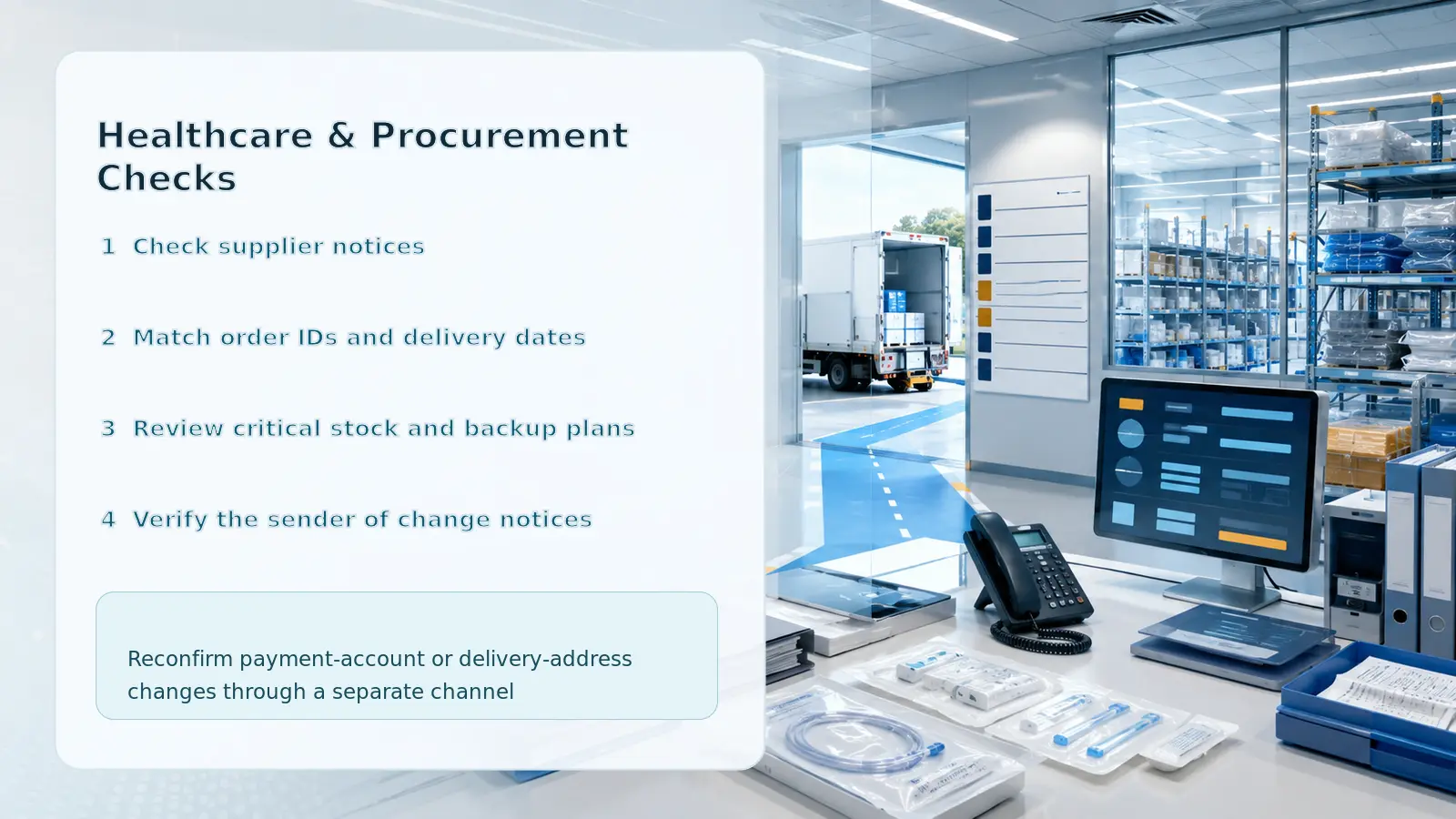
Items associated with urgent procedures deserve priority. Procurement and clinical teams should compare scheduled needs with on-hand stock and approved contingency routes. Any request to change a payment account, delivery address, or ordering portal should be confirmed through a separate trusted channel. This is a practical safeguard for a publicly known operational outage, not a claim about the technique used in the incident.
Checks for healthcare and distribution teams
- Use Boston Scientific's official incident page and established contract contacts for status updates.
- Reconcile order IDs, acknowledgements, products, quantities, and expected delivery dates.
- Prioritize critical stock tied to scheduled procedures and review approved contingency options.
- Verify payment-account, delivery-address, or contact changes through a separate trusted channel.
- Preserve suspicious emails and call details for procurement leadership and the security team.
A useful tracker should separate order acceptance, shipment approval, carrier handoff, and delivery visibility. Each order should have an owner, next review time, and contingency decision. This reduces duplicate inquiries and helps clinical teams understand which products may affect patient schedules. Restoration should be assessed at the workflow level rather than through a single system-availability indicator.
Recovery priorities inside the enterprise
Manufacturers and distributors can use this incident to review dependencies among order management, warehouse systems, logistics integrations, customer support, identity services, and network segments. A server may be reachable while master data, pricing, approvals, or shipment instructions remain inconsistent. Recovery priorities should follow patient-care and supply-continuity impact, and read-only verification should be separated from changes that alter production systems.
Evidence preservation is equally important. Account containment, network segmentation, service restarts, and recovery actions can overwrite useful traces. Authentication logs, administrative activity, order-state changes, shipment approvals, and external connections should be preserved and aligned to a common timeline. Investigation and recovery teams need the same reference points as they decide which functions can safely return.
Validation should follow a representative transaction from order intake through inventory allocation, approval, packing, and carrier handoff. Successful sign-in alone does not establish operational recovery. Testing should also identify duplicate orders, changed delivery details, or fulfillment instructions that failed during the outage. Customer communications are clearer when restored functions and queued work are described separately.
Impersonation risk during an outage
Public outages can provide convincing context for fraudulent messages. Requests framed as urgent order resubmissions, delivery-account reactivation, or access to a replacement portal should receive extra scrutiny. Suppliers and healthcare organizations should keep designated contact channels and change-approval owners visible, and avoid approving bank-account or delivery-address changes by email alone.
Staff instructions should be concrete: check the existing portal before using a new order link, compare every schedule change with an order reference, and require two-channel approval for payment changes. A single notice that combines the reporting route, procurement escalation path, and trusted supplier contact can keep security and operational teams aligned.
Impact and follow-up
Boston Scientific supplies devices across multiple clinical specialties. The company's confirmed impact covers global operations and the systems that support customer orders and shipments. That scope is enough to make supply continuity, critical inventory, and the authenticity of change requests immediate concerns for healthcare and distribution partners.
Follow-up should track both the timestamp of company updates and the business functions restored. Order intake, shipment processing, and customer support may return on different schedules. Healthcare organizations should reconcile supplier updates against their own order records, while distributors should verify that customer notices match the actual shipment state. The incident demonstrates why technical investigation and supply-continuity management have to proceed together.
Sources reviewed
- Update on recent cybersecurity incidentBoston Scientific · Official source
- Boston Scientific Corporation Form 8-KU.S. Securities and Exchange Commission · Official source
- Boston Scientific hit by cyberattack, global operations affectedReuters
SECUFOCUS NOW reorganized and analyzed the material above. This article does not replace the original sources.
Related SecuNote articles
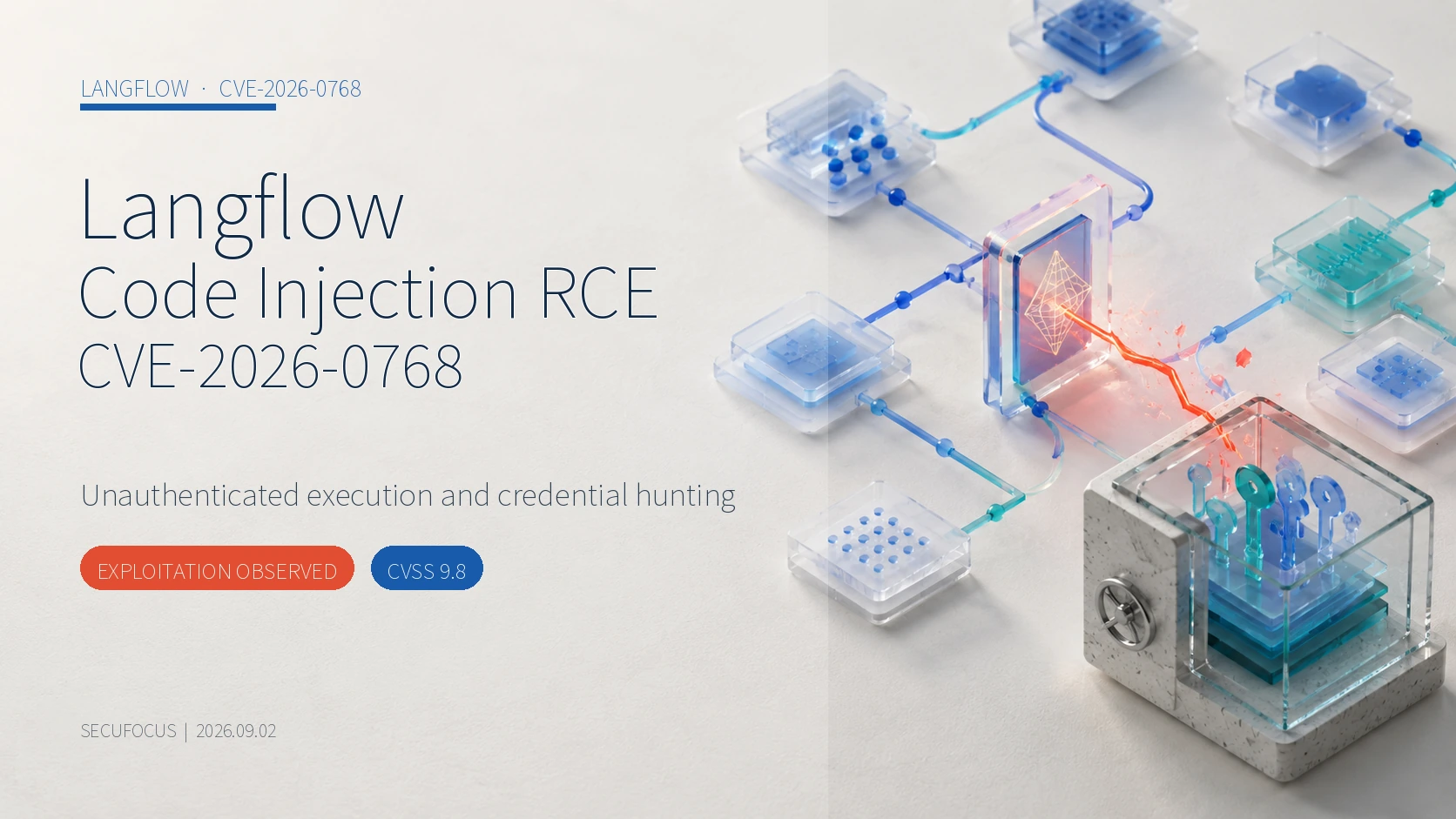
Langflow Code Injection RCE (CVE-2026-0768): Active Exploitation and Response
CVE-2026-0768 is now being exploited against internet-accessible Langflow deployments. This analysis explains the vulnerable…
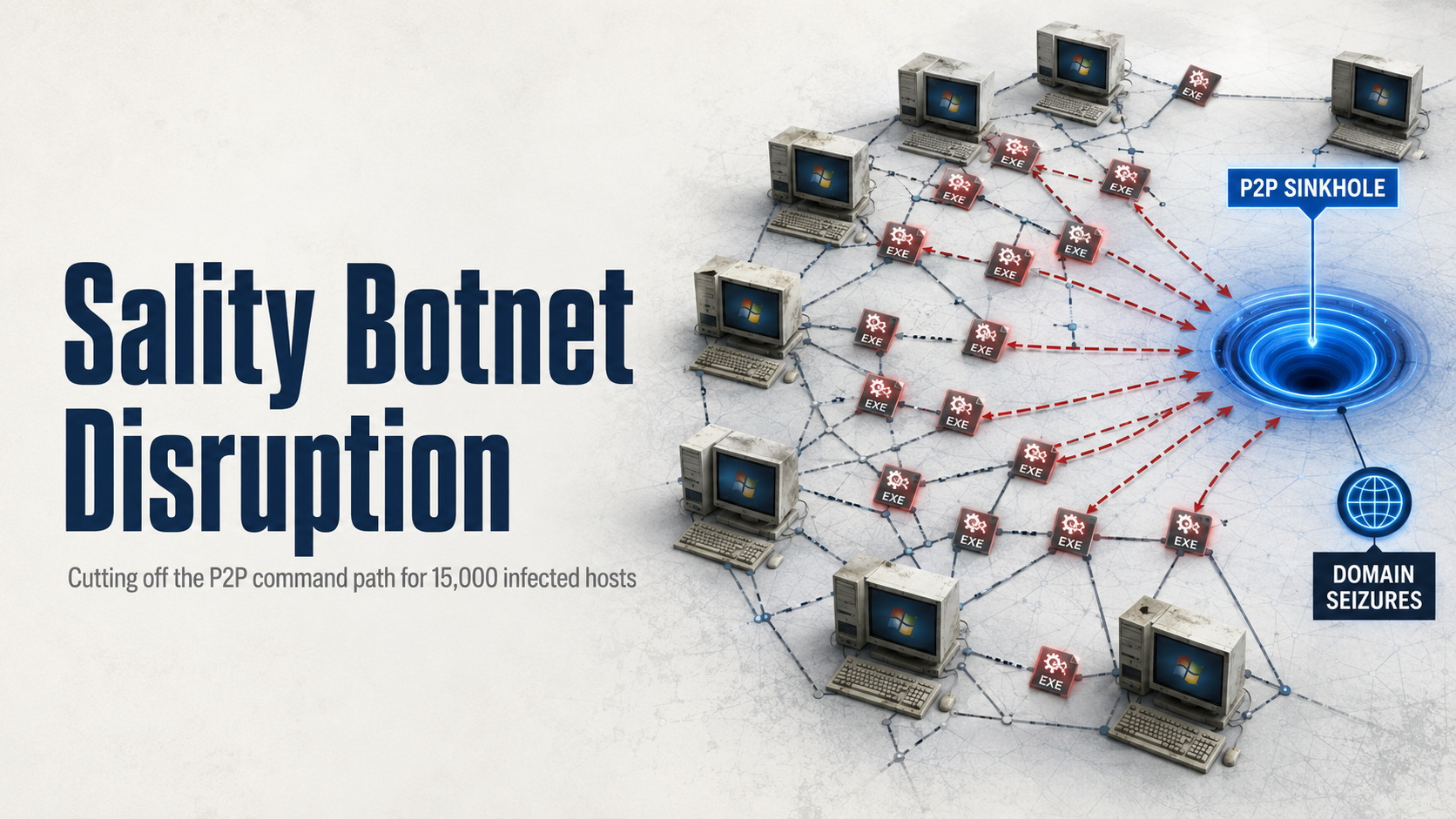
Sality Botnet Disruption: How the P2P Sinkhole Cut Its Command Path
A multinational operation disrupted Sality's peer-to-peer command path across more than 15,000 infected hosts. This analysis…

Dropbox Account Breach: Lenovo ID Integration and Confirmed Impact
A legacy Lenovo ID integration enabled unauthorized access to about 5,000 Dropbox accounts. This report explains the confirmed…
Comments
No comments yet.